
Jesuits at the Frontiers of Planetary Healing Research
- Date February 27, 2026
Jesuits at the Frontiers of Planetary Healing Research
A Two-Day International Conference Report
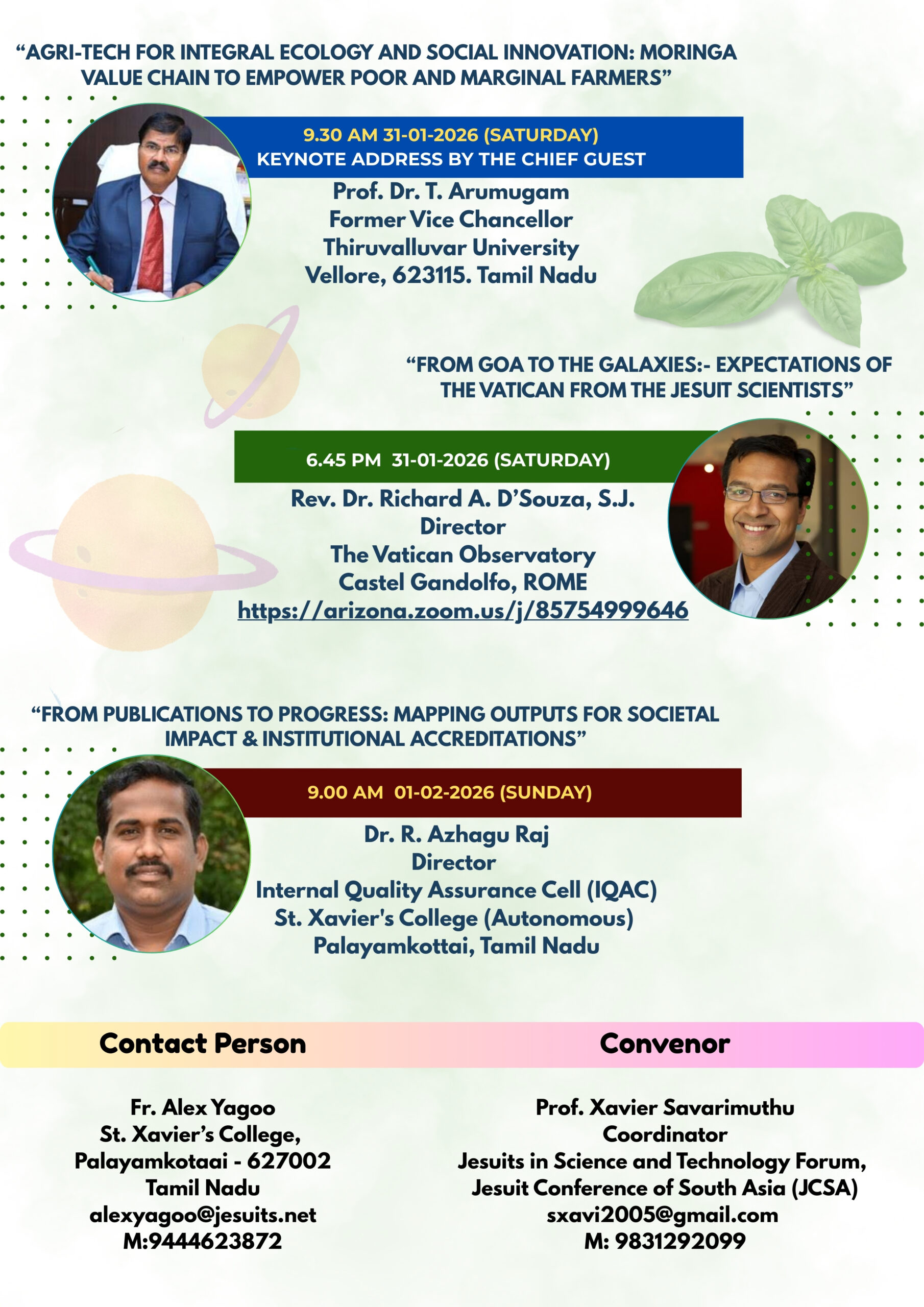
“The cry of the people and the cry of the earth” formed the prophetic and unifying vision of the two-day International Conference organized by the Jesuits in Science and Technology Forum (JISTF) at St. Xavier’s College (Autonomous), Palayamkottai, Tamil Nadu, from 31 January to 1 February 2026. Rooted in this twin cry, the conference articulated a clear Jesuit vision of science: research is not pursued for its own sake, but as a mission-oriented endeavour meant to serve people, heal social wounds, and promote ecological sustainability. Titled “Jesuits in the Frontiers of Planetary Healing Research,” the conference brought together 23 Jesuit scientists, educators, and researchers from the Andhra, Calcutta, Darjeeling–Nepal, Gujarat, Madurai, Karnataka, and Patna Provinces working in diverse disciplines to reflect on how scientific inquiry, inspired by faith and justice, can contribute meaningfully to planetary healing and integral human development.
The Inaugural Session on Saturday, 31 January, commenced with registration, followed by a prayer session led by Fr. Paul Raj (MDU). The prayer set a contemplative tone, inviting participants to situate their scientific work within the larger horizon of service and responsibility towards the world at large.
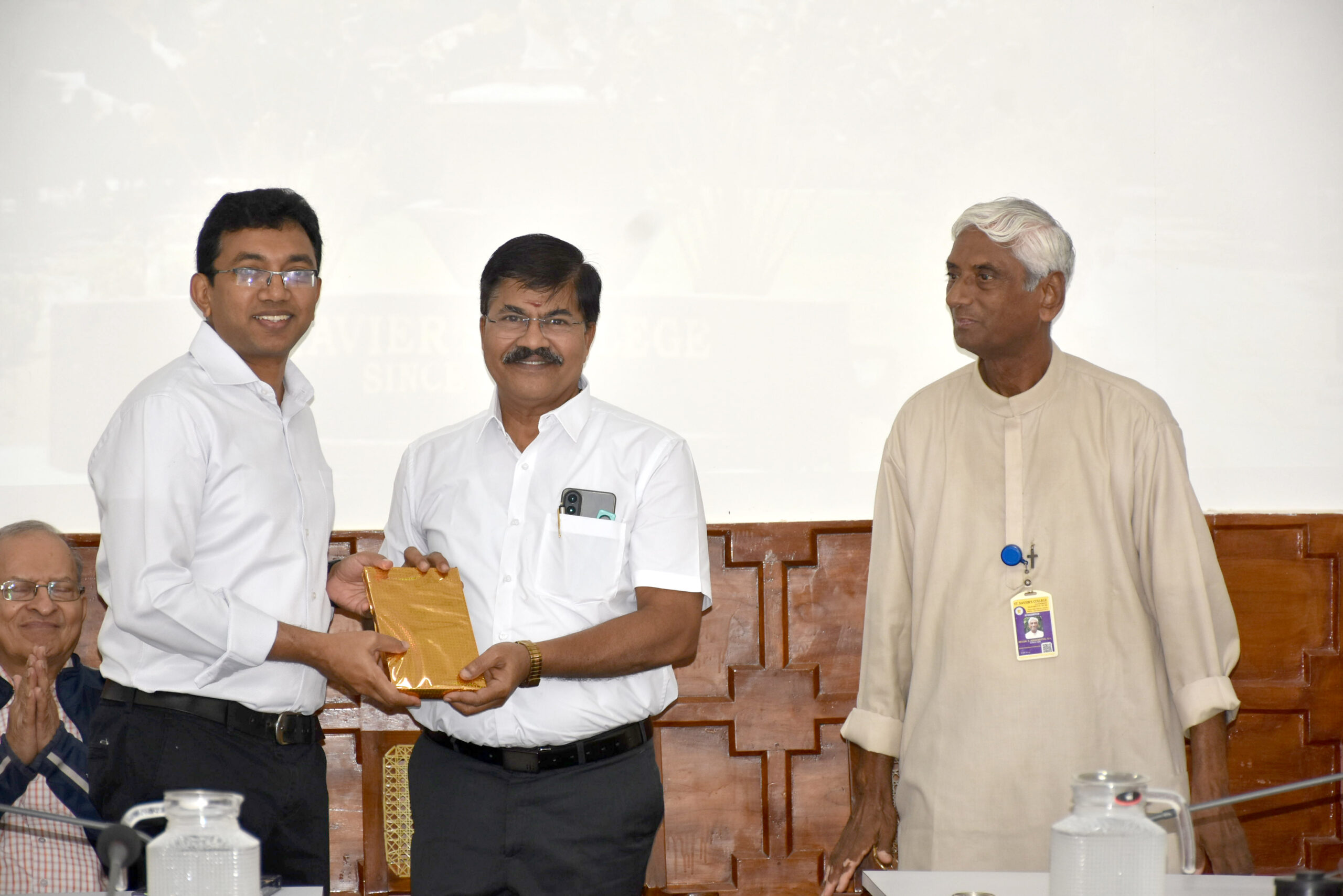
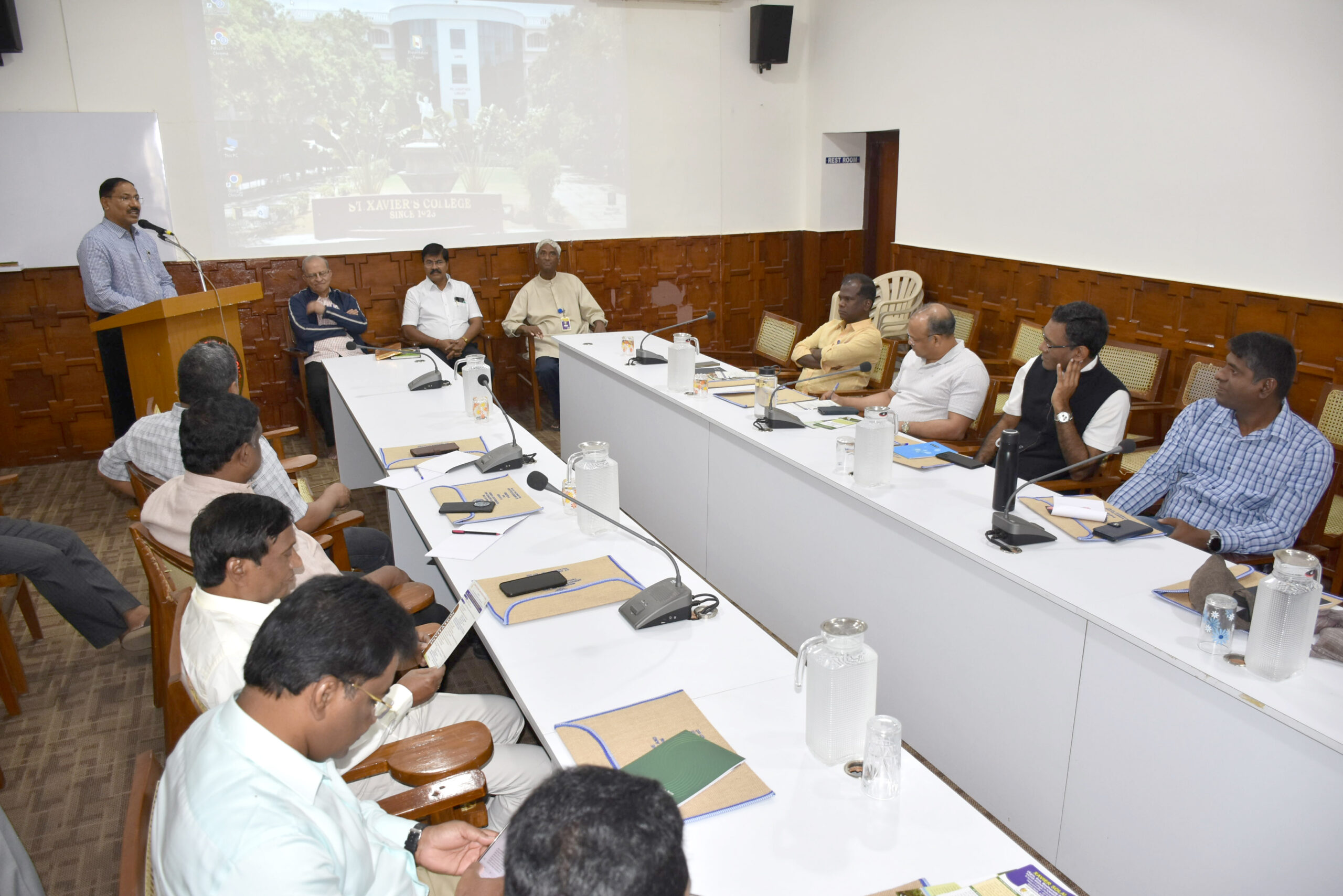
The highlight of the morning was the Keynote Address by Prof. Dr. T. Arumugam, former Vice-Chancellor of Thiruvalluvar University, Vellore, a distinguished academician who has guided twelve PhD scholars, published 291 research articles in reputed journals, and contributed significantly to applied research and entrepreneurial initiatives. His keynote, titled “Agri-Tech for Integral Ecology and Social Innovation: Moringa Value Chain to Empower Poor and Marginal Farmers,” offered a compelling illustration of how science, when oriented toward social concern, can become a powerful instrument of transformation. Drawing attention to the pressing challenge of micronutrient malnutrition and hidden hunger in India, particularly among children and economically marginalized communities, he described moringa as “herbal gold,” a “super food,” and a “nutritional powerhouse,” noting that it contains 94 essential micronutrients out of the 134 required by the human body. He explained the rigorous scientific processes involved in converting raw moringa into safe, value-added food products that meet stringent quality and safety standards and emphasized a value-chain approach that not only addresses nutritional insecurity but also creates sustainable livelihood opportunities for poor and marginal farmers. He encouraged participants to actively promote the cultivation and consumption of moringa.
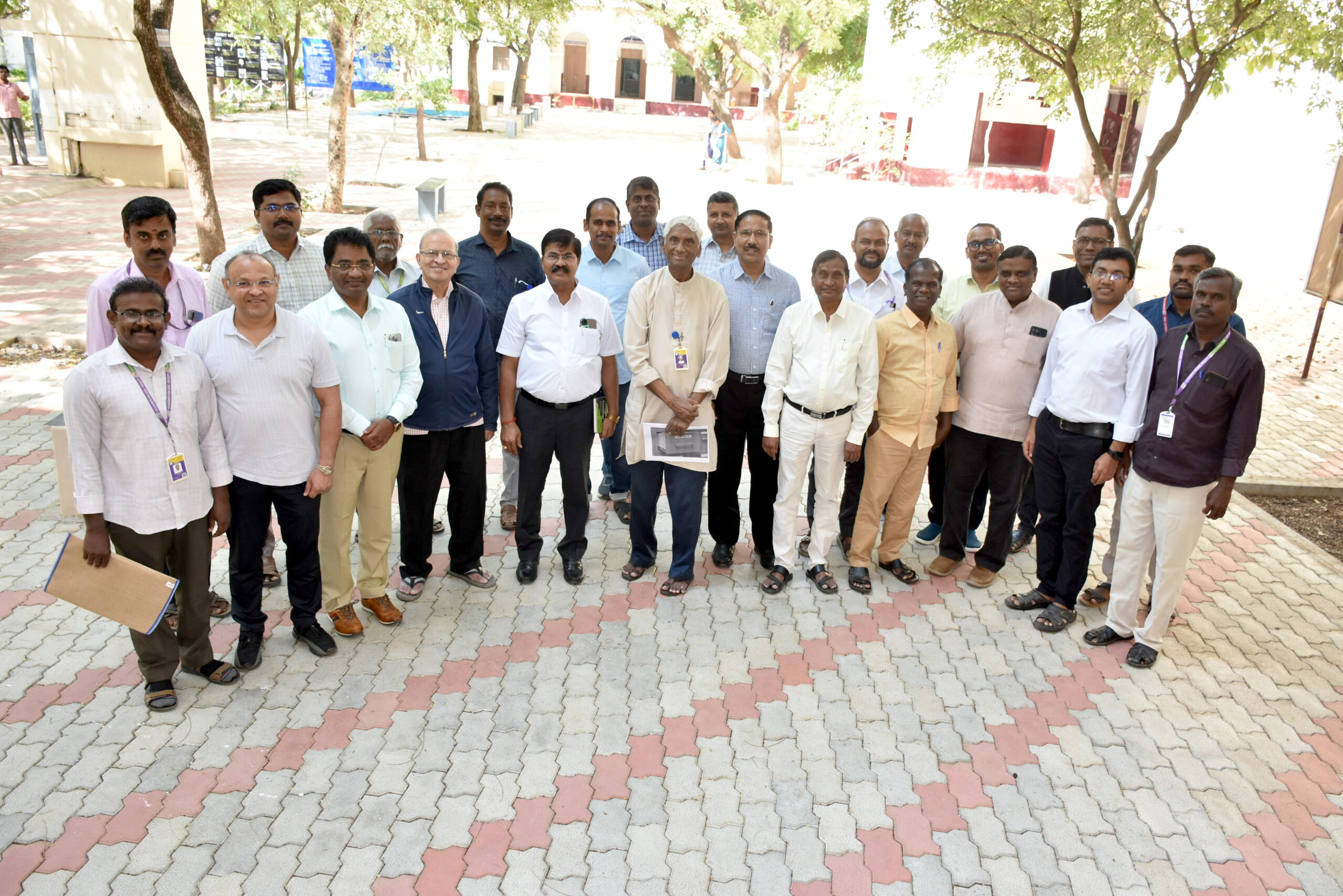
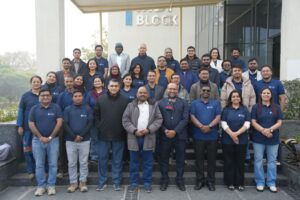
The keynote address was followed by an engaging question-and-answer session, a group photograph, and a tea break. The late morning session on “Scientific Achievements – Sharing the Scientific Journey” provided a platform for participants to share their research work, ongoing projects, and the struggles encountered in their academic and apostolic paths. This honest and reflective sharing fostered mutual encouragement and strengthened the sense of a shared Jesuit vocation in science. The Eucharistic celebration that followed meaningfully integrated faith, science, and mission.
In the afternoon, participants visited St. Xavier Solai, a 25-acre agro-ecological biodiversity park established by the Jesuits of St. Xavier’s College, Palayamkottai, under the initiative of Fr. Dr. Ignacimuthu. Conceived to promote environmental protection, organic farming, and sustainable agricultural practices, the park offered participants firsthand experience of ecological stewardship, underscoring the need for concrete engagement with nature and local communities in the mission of planetary healing.
The evening Plenary Session-II featured an online address by Rev. Dr. Richard A. D’Souza, SJ, Director of the Vatican Observatory, Rome. Speaking on “From Goa to the Galaxies: Expectations of the Vatican from the Jesuit Scientists,” he reflected on the evolving landscape of global scientific research and the increasing competitiveness faced by young Jesuits entering scientific fields. He traced the history and mission of the Vatican Observatory, a scientific apostolate entrusted to the Society of Jesus, and explained its threefold focus: frontier scientific research, promotion of science among the underprivileged, and fostering dialogue between faith and science. Fr. D’Souza outlined essential qualities for Jesuit scientists, including intellectual curiosity, perseverance, scientific competence, effective communication, collaborative spirit, and strong human relations. He emphasized the importance of solid doctoral and post-doctoral training, international research exposure, and institutional cultures that nurture both scientific excellence and collaboration.
The second day, Sunday, 1 February, began with Plenary Session-III by Dr. R. Azhagu Raj, Director of the Internal Quality Assurance Cell (IQAC), St. Xavier’s College. With 34 Scopus-indexed publications and extensive experience in accreditation and ranking processes, Dr. Azhagu Raj spoke on “From Publications to Progress: Mapping Outputs for Societal Impact and Institutional Accreditations.” He emphasized that research excellence today must move beyond mere publication counts and citation metrics. Institutions are increasingly required to demonstrate measurable societal impact in line with NAAC Criterion 3, NIRF Research and Professional Practice parameters, and national and global development priorities. He discussed the limitations of altmetrics and proposed hybrid assessment frameworks such as PESTLE analysis (Political, Economic, Social, Technological, Legal, Environmental), Clarivate SIR indicators, and Sustainable Development Goal (SDG) mapping. The key challenge, he noted, lies in translating research engagement into tangible social, economic, environmental, and governance outcomes.
The conference concluded with a spiritual conversation on scientific journeys, followed by a future-planning meeting of JISTF, the Sunday Eucharistic celebration, and a fellowship lunch. During the planning meeting, several proposals were unanimously approved, including holding a two-hour online meeting in the month of June, launching a biannual newsletter to highlight the scientific contributions of Jesuits, and compiling a comprehensive record of Jesuit research output. The event was efficiently coordinated by Fr. Xavier Savarimuthu, Coordinator of JISTF, with Fr. Alex Yahoo (MDU) overseeing the local arrangements. The St. Xavier’s College community extended a warm, magnanimous, and hospitable welcome, contributing significantly to the overall success of the conference.
Overall, the conference reaffirmed that Jesuit engagement in science is a vital apostolic response to the urgent cries of our time—where rigorous research, ethical responsibility, compassionate action, and hope-filled faith converge in the shared mission of planetary healing.

You may also like
Workshop Report: Democracy and Eco-Socially Engaged Spirituality
Workshop Report: Democracy and Eco-Socially Engaged Spirituality December 12–14, 2025 Loyola College of Social Sciences, Sreekaryam, Thiruvananthapuram The workshop “Democracy and Eco-Socially Engaged Spirituality” (December 12–14, 2025) brought together faculty, staff, and students from Jesuit higher Education Institutions South India to explore democracy not merely …
